What Is a Facelift?
A facelift — or rhytidectomy — is a surgical procedure that addresses the most visible signs of facial aging: sagging skin, deep folds, jowls, and loss of definition in the jawline and neck. When performed by an experienced surgeon, a facelift restores a younger, refreshed version of your natural appearance without an “operated” look.
A board certified plastic surgeon in NJ with more than 40 years in Morristown, Dr. Rafizadeh specializes in the deep plane facelift — a more advanced technique that repositions the underlying facial muscles and deeper tissue layers rather than simply pulling the skin. This approach produces more natural, longer-lasting results and avoids the telltale signs of a poorly performed facelift.
“My goal is always for your friends and family to notice that you look more rested and youthful — not that you had surgery. The deep plane technique allows me to achieve that naturally.”
— Dr. Farhad Rafizadeh, MD FACS
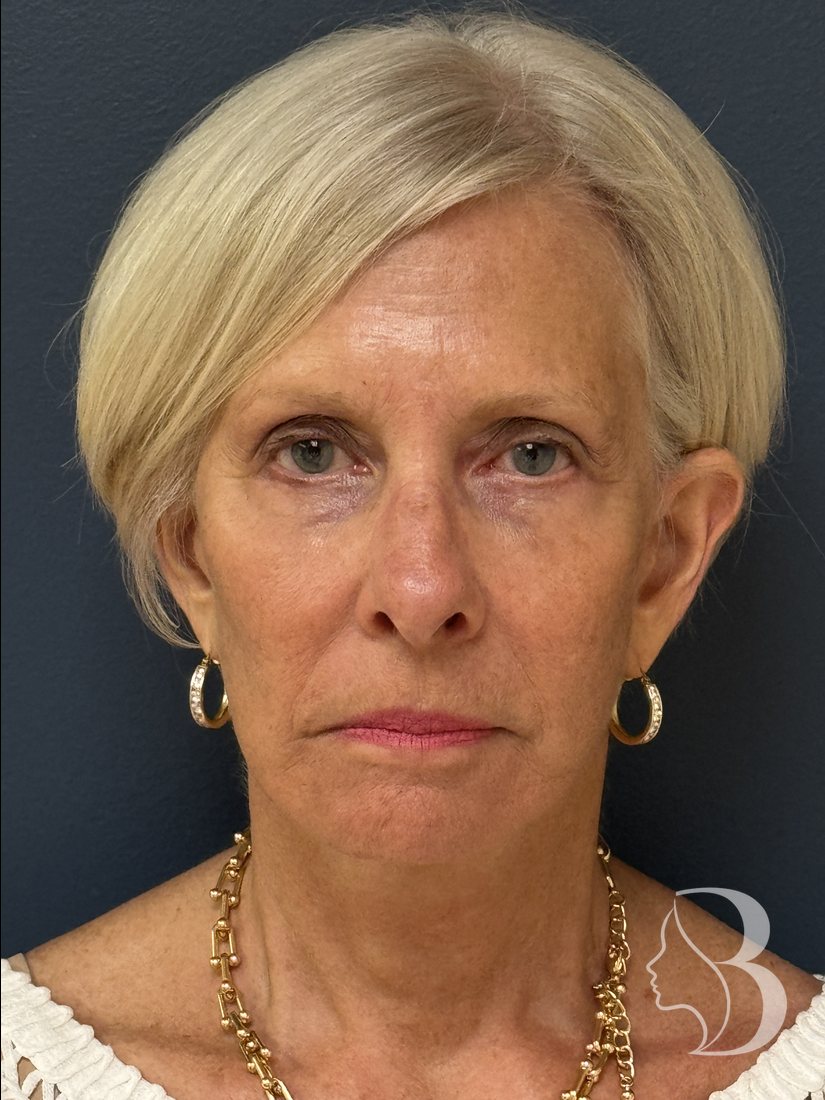
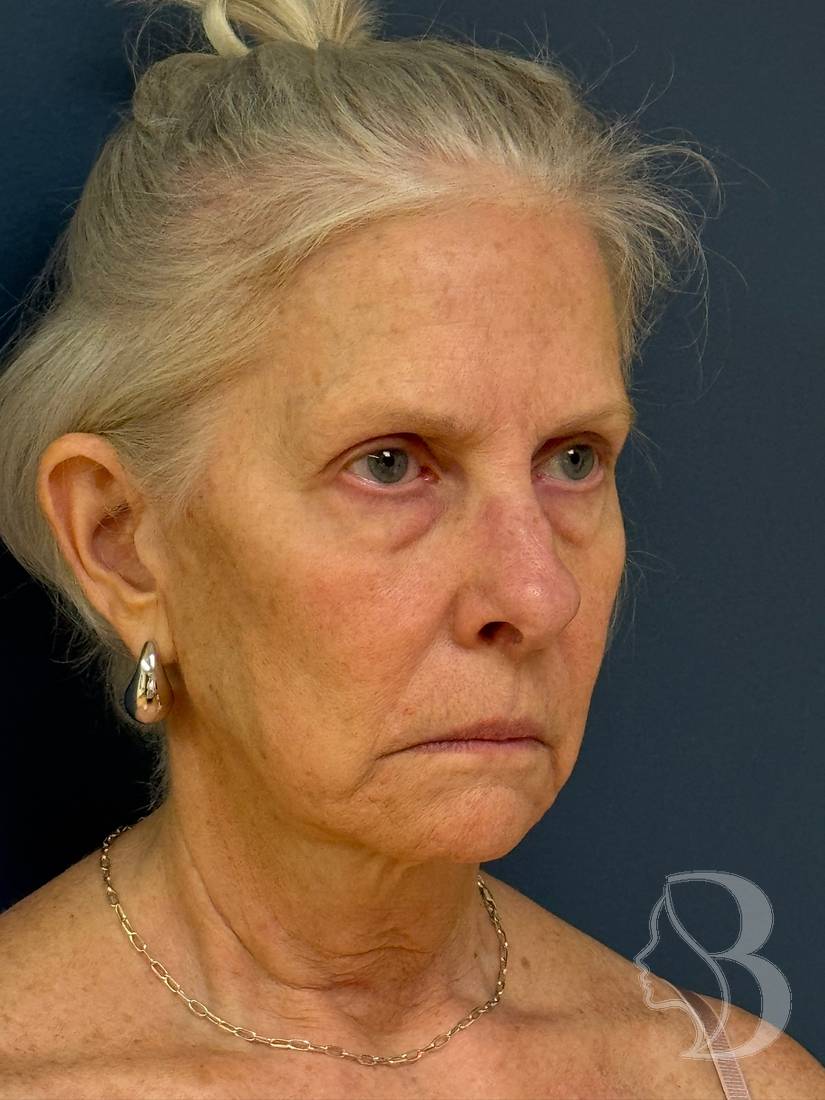
Facelift Before & After
View Full Gallery →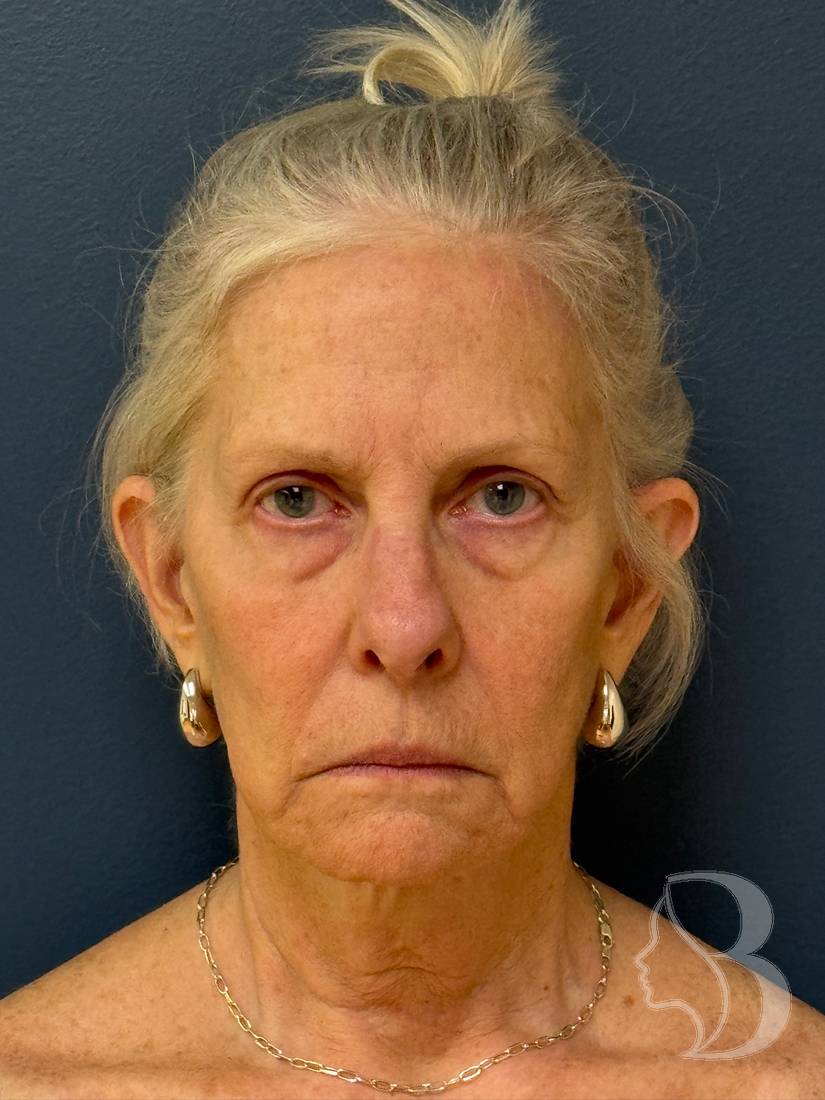
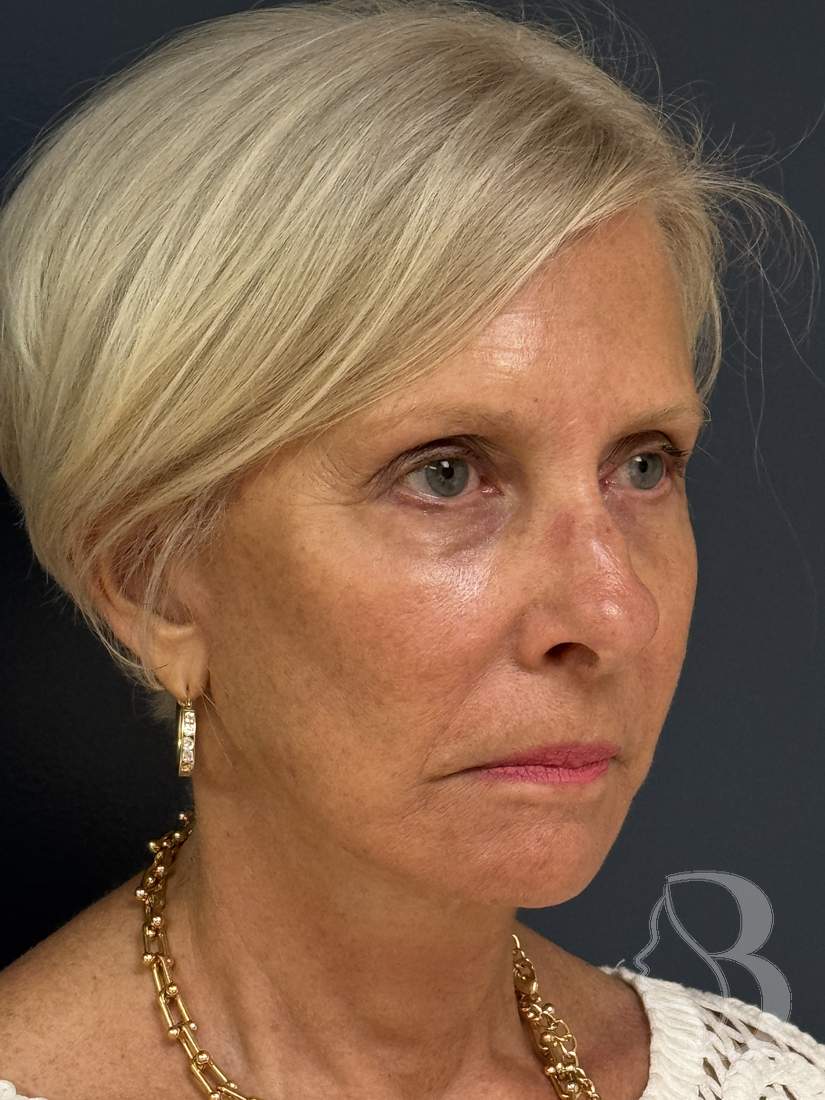
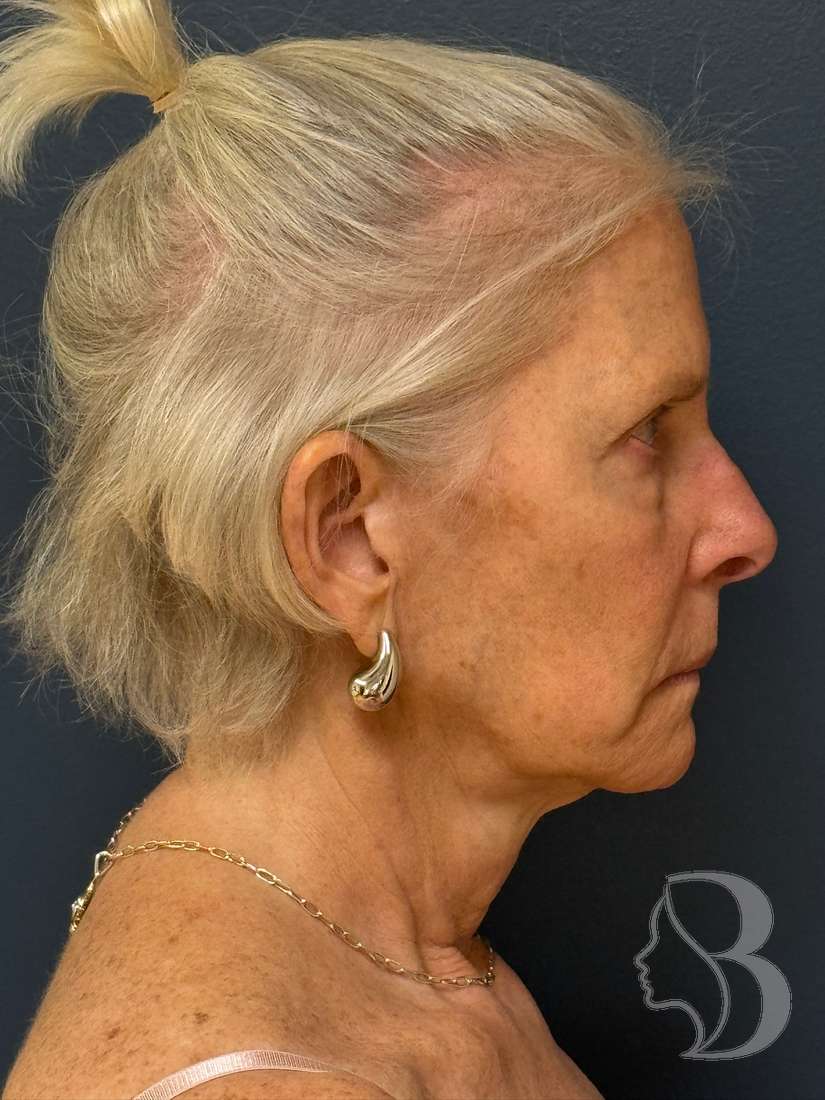
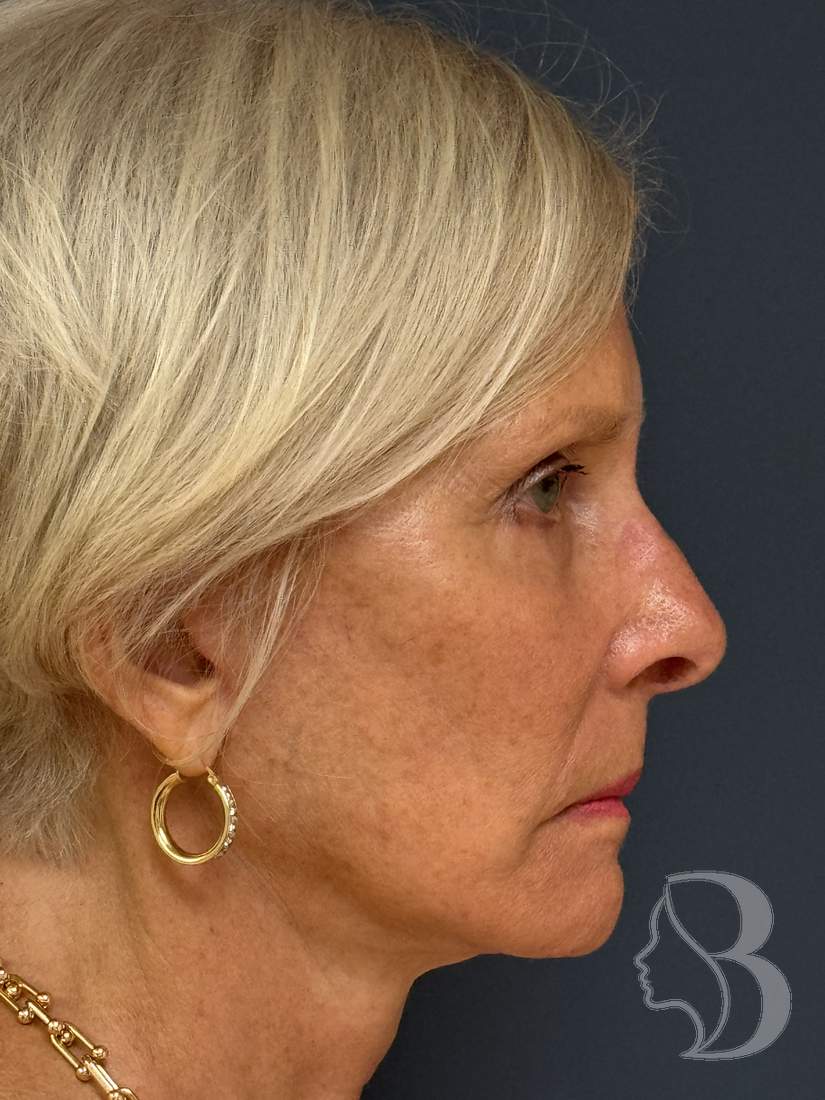
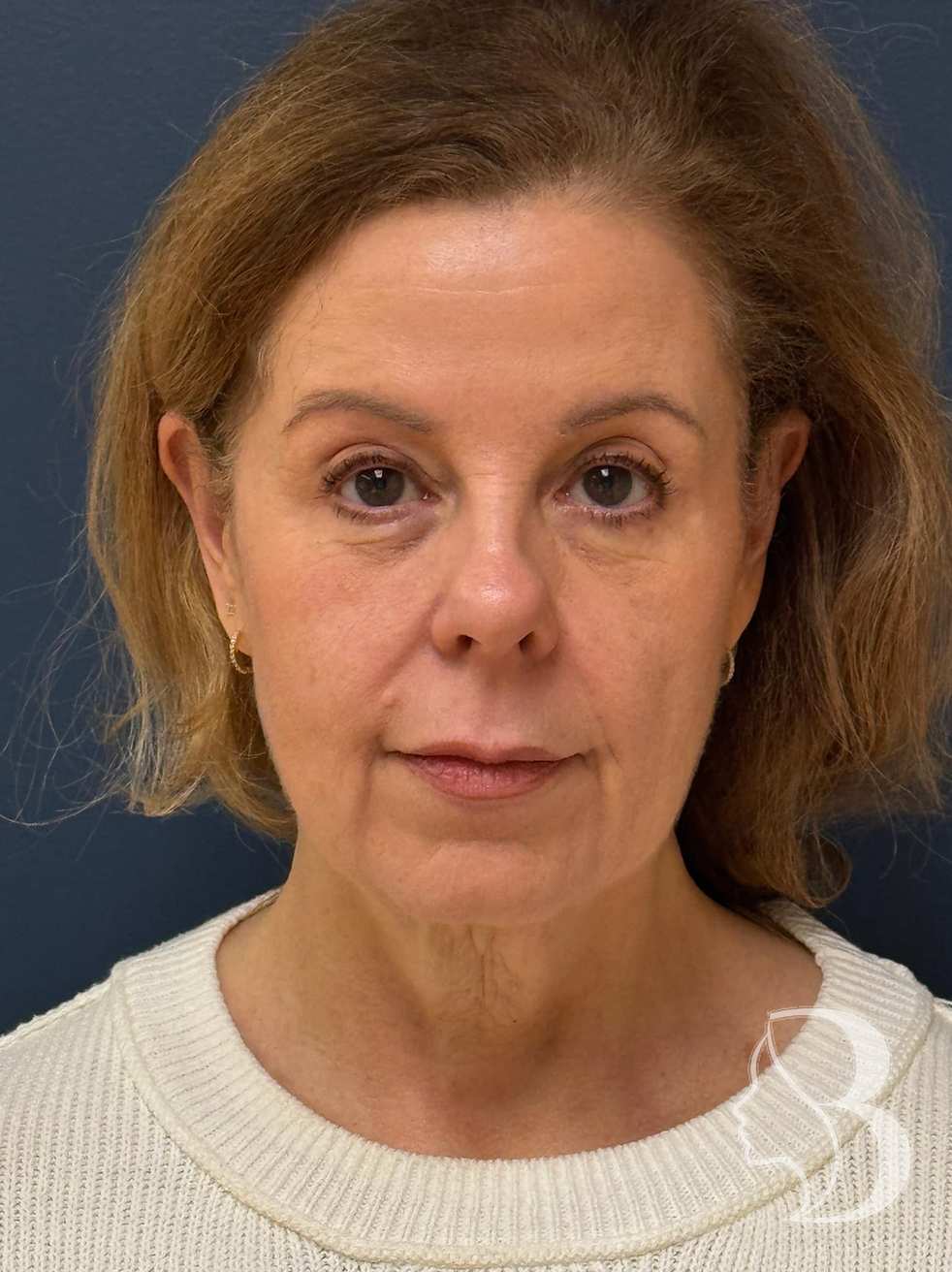
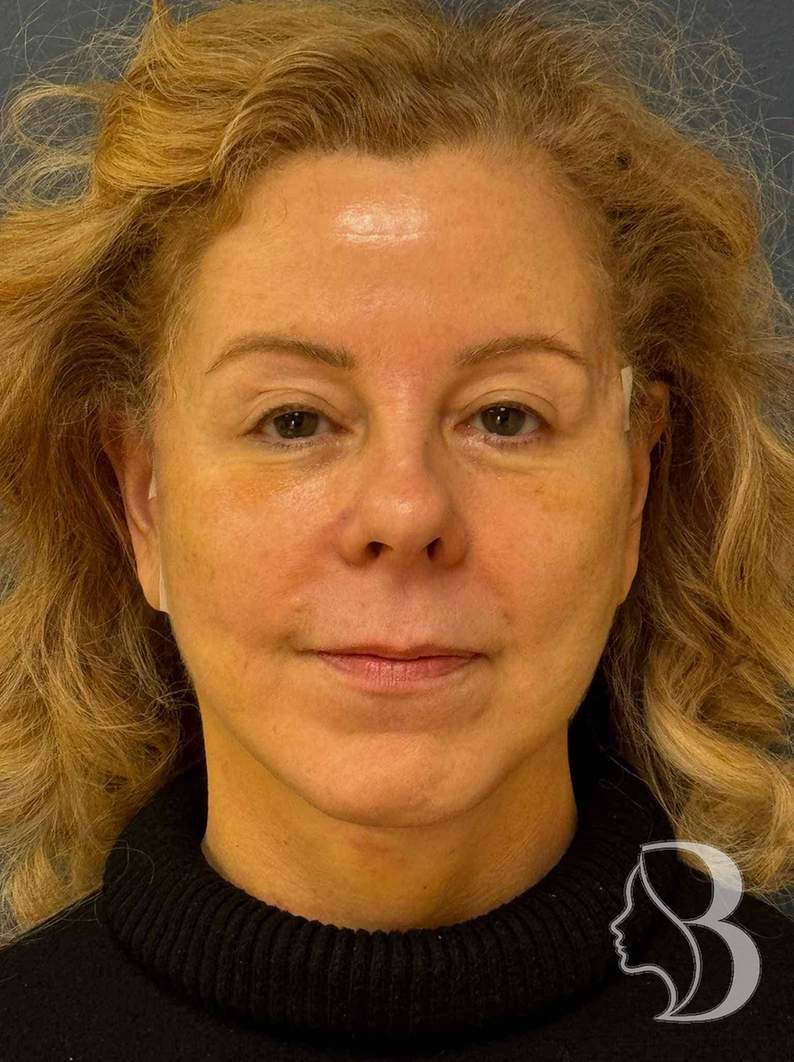
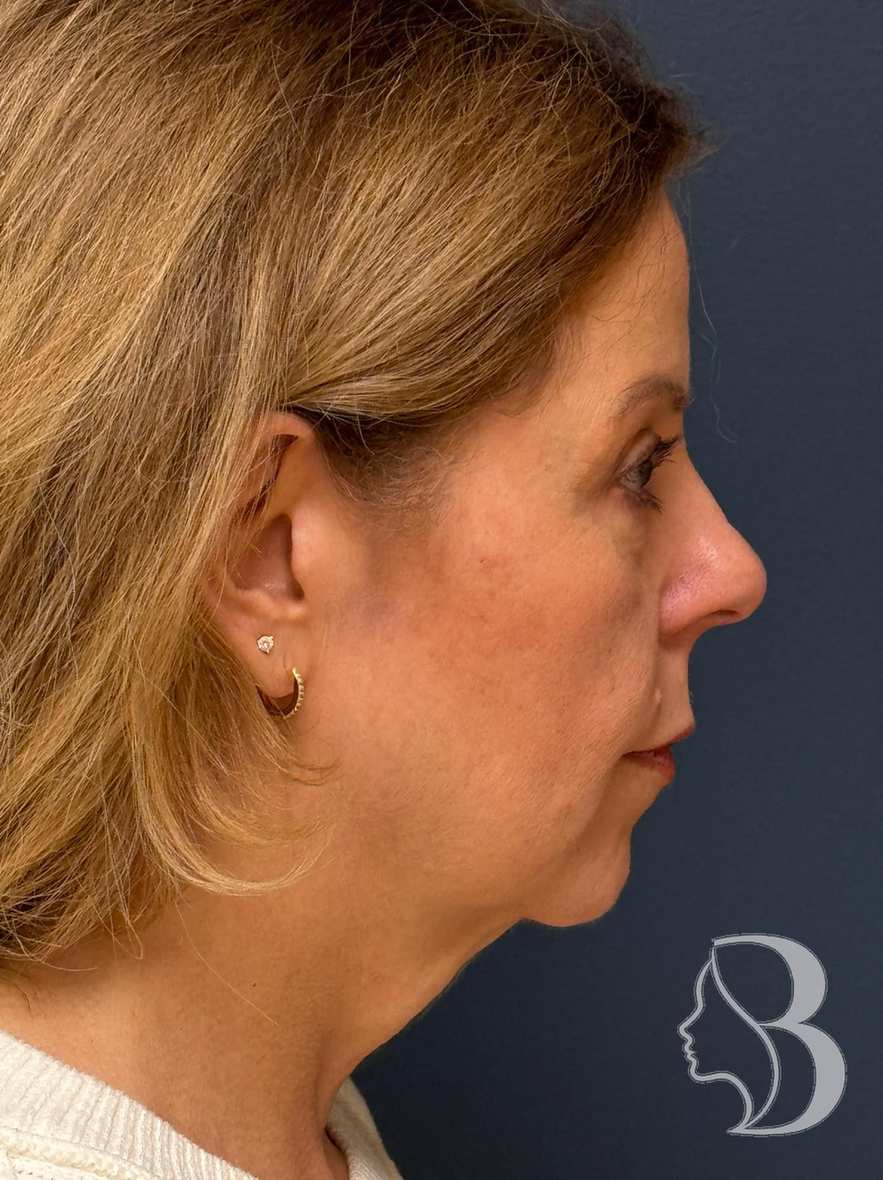
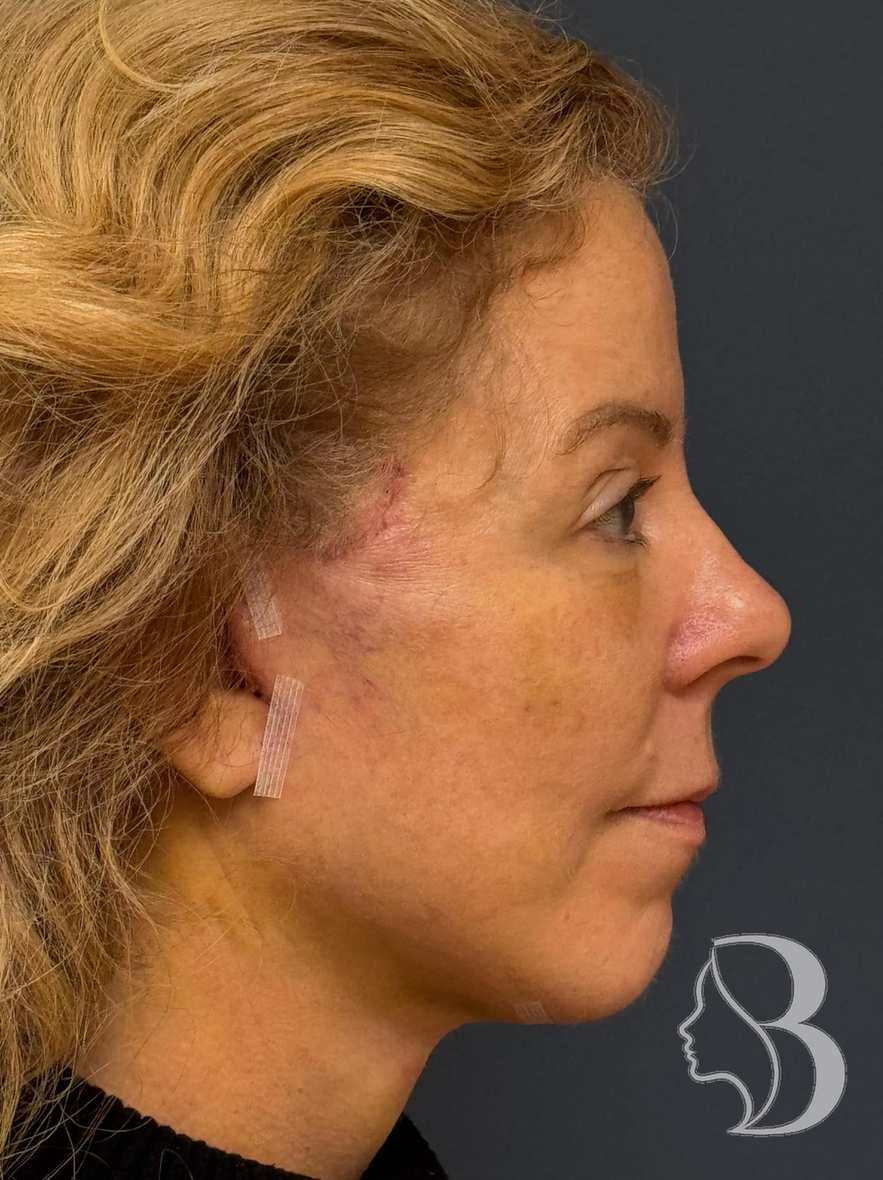
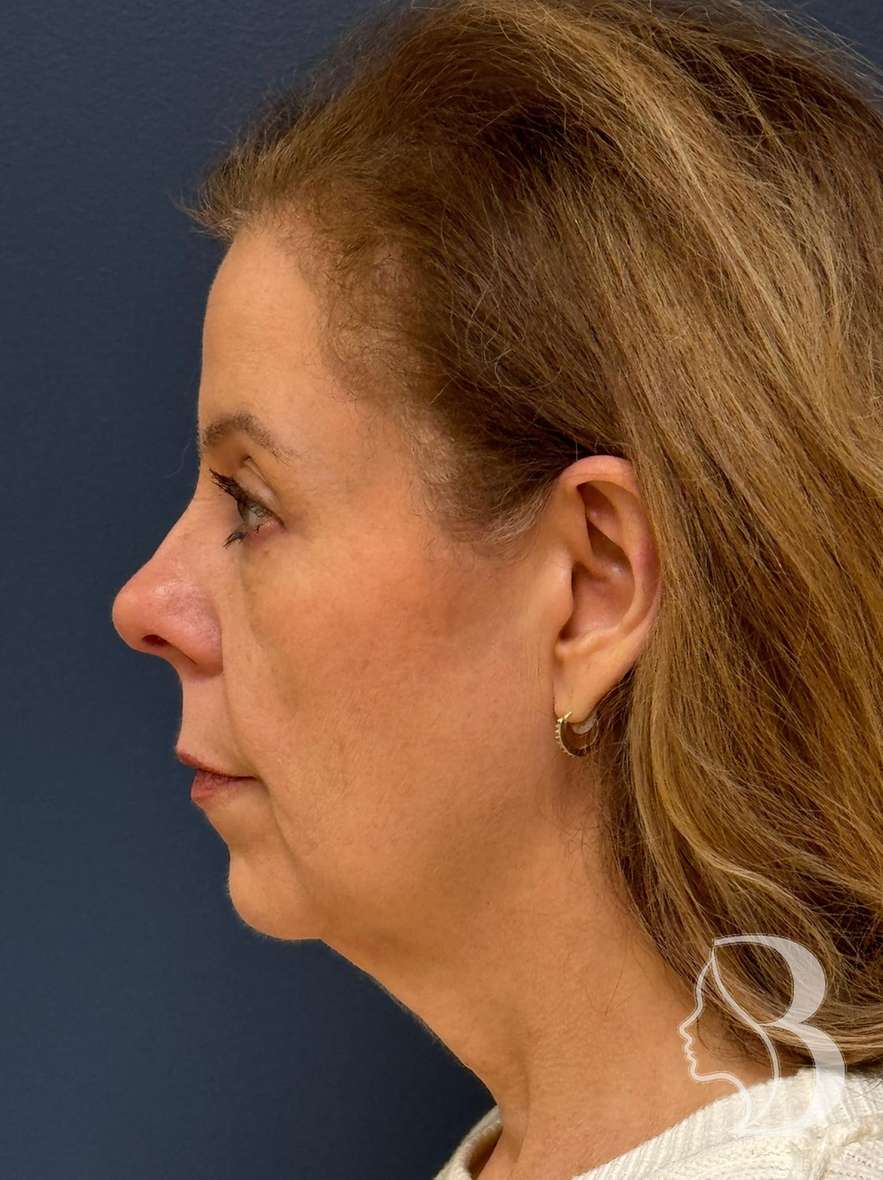
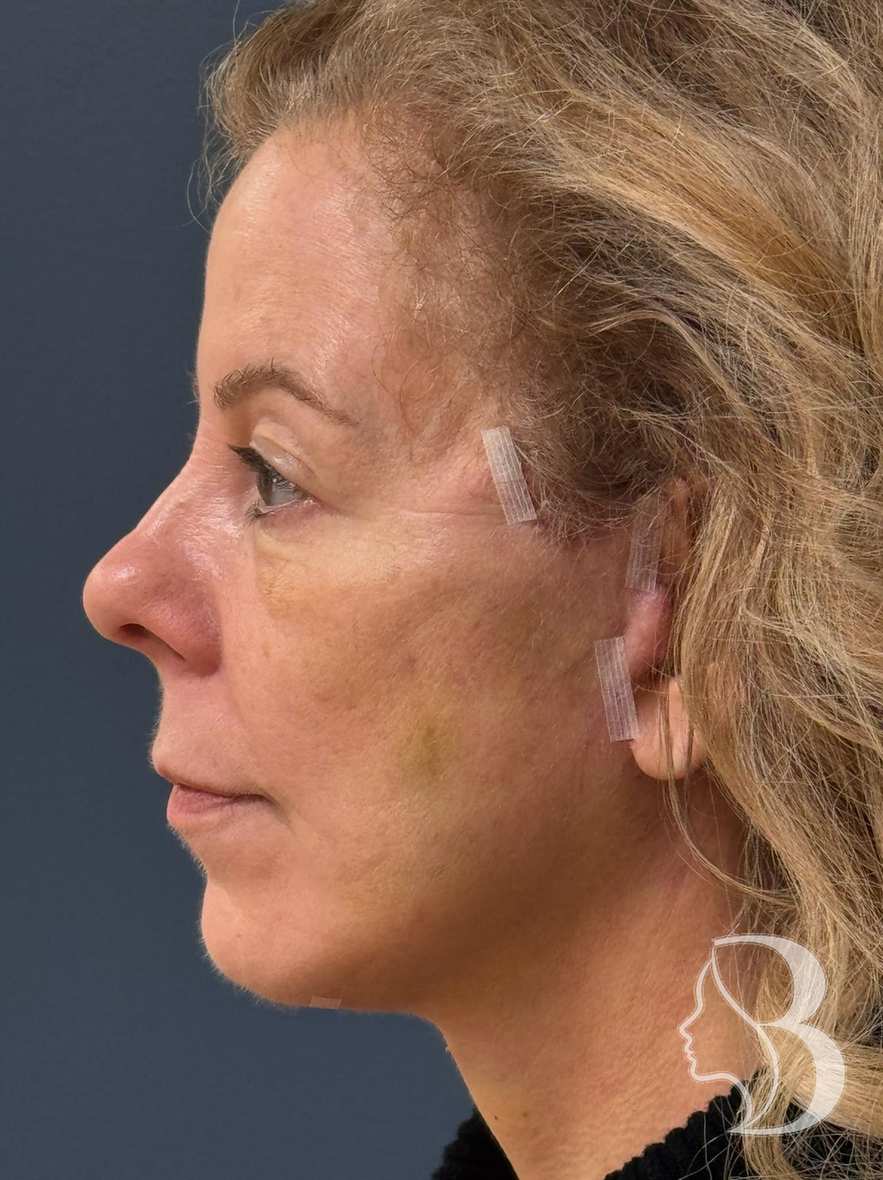
Choosing the Right Technique
Not every patient needs the same operation. Dr. Rafizadeh offers three distinct facelift techniques — each appropriate for a different stage of facial aging, anatomy, and set of goals. Understanding the differences helps you arrive at your consultation with the right questions.
The Deep Plane Facelift
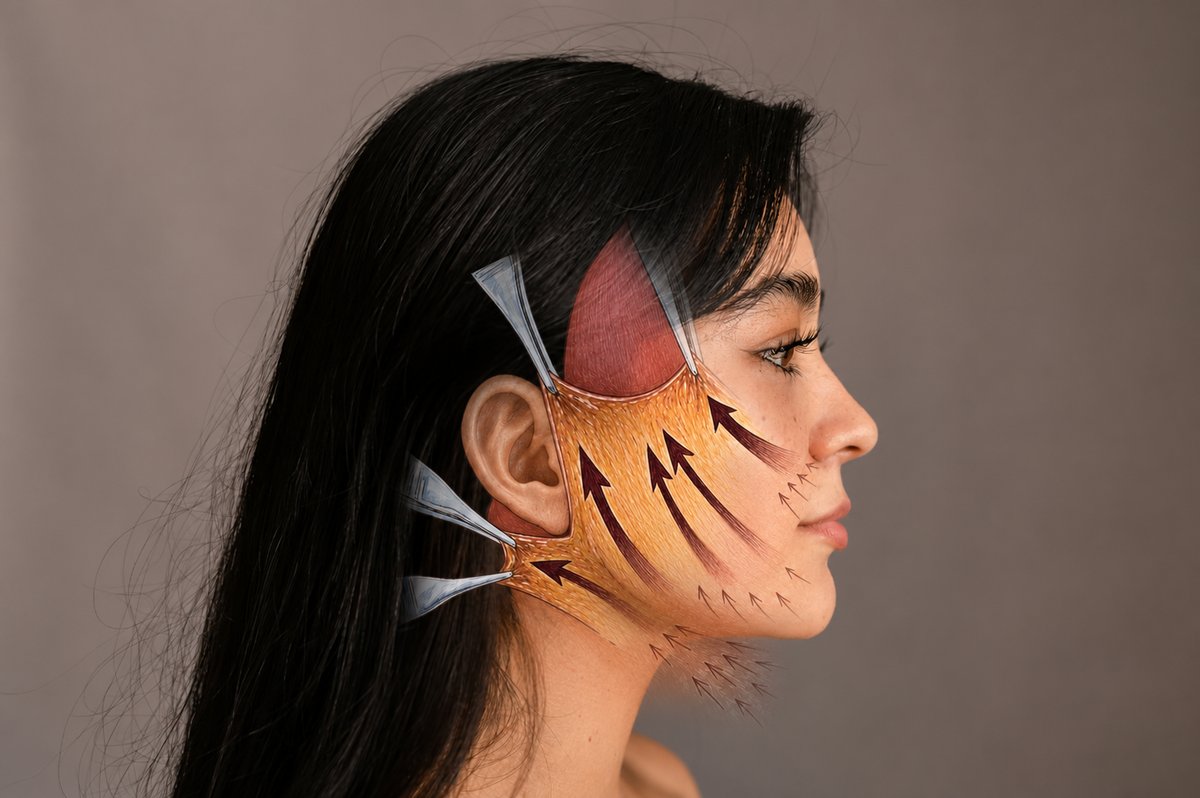
The deep plane facelift is Dr. Rafizadeh’s primary technique and the most comprehensive approach to surgical facial rejuvenation. Unlike procedures that only tighten the skin or the superficial SMAS layer, the deep plane releases the facial retaining ligaments — the structural anchors that tether skin, fat, and muscle to the underlying bone — and repositions the deeper composite tissue as a single unit. The result is true volume restoration in the midface, jowl correction at its root, and meaningful improvement in the nasolabial folds, with a natural appearance that typically lasts 7–12 years or more.
For patients seeking a deep plane facelift in New Jersey, Dr. Rafizadeh’s four decades of surgical experience and American Board of Plastic Surgery board certification place him among the most experienced surgeons in the region for this technically demanding procedure. Patients comparing deep plane vs. SMAS facelift options will find the deep plane addresses a deeper anatomical plane and is especially valuable when significant midface descent, deep nasolabial folds, or prominent jowling is present. Learn more about the deep plane facelift →
The SMAS Facelift
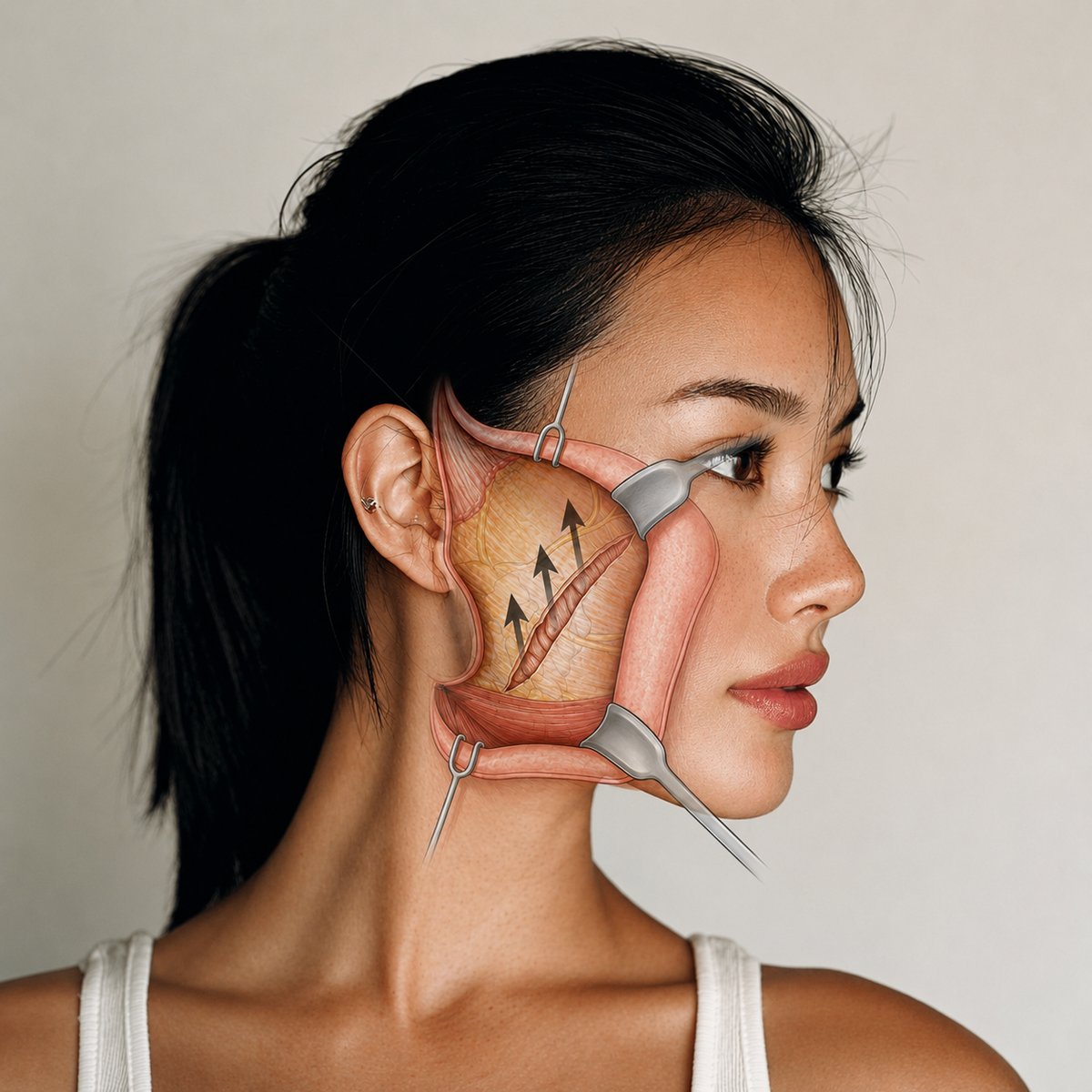
The SMAS facelift — named for the superficial musculoaponeurotic system, the fibromuscular layer just beneath the skin — is the gold standard of traditional facelift surgery. The SMAS layer is tightened via plication (folding) or imbrication (overlapping), providing a more durable result than a skin-only lift and reliably correcting jowling and lower face laxity.
Patients considering a SMAS facelift in New Jersey benefit from decades of outcomes data behind this technique. For the right candidate — those with moderate laxity, well-preserved midface volume, and primarily lower-face concerns — the SMAS approach delivers natural, long-lasting rejuvenation. Dr. Rafizadeh will assess your anatomy and degree of laxity during your consultation to determine whether a SMAS or deep plane technique, or a combination, is the most appropriate plan. Learn more about the SMAS facelift →
The Mini Facelift
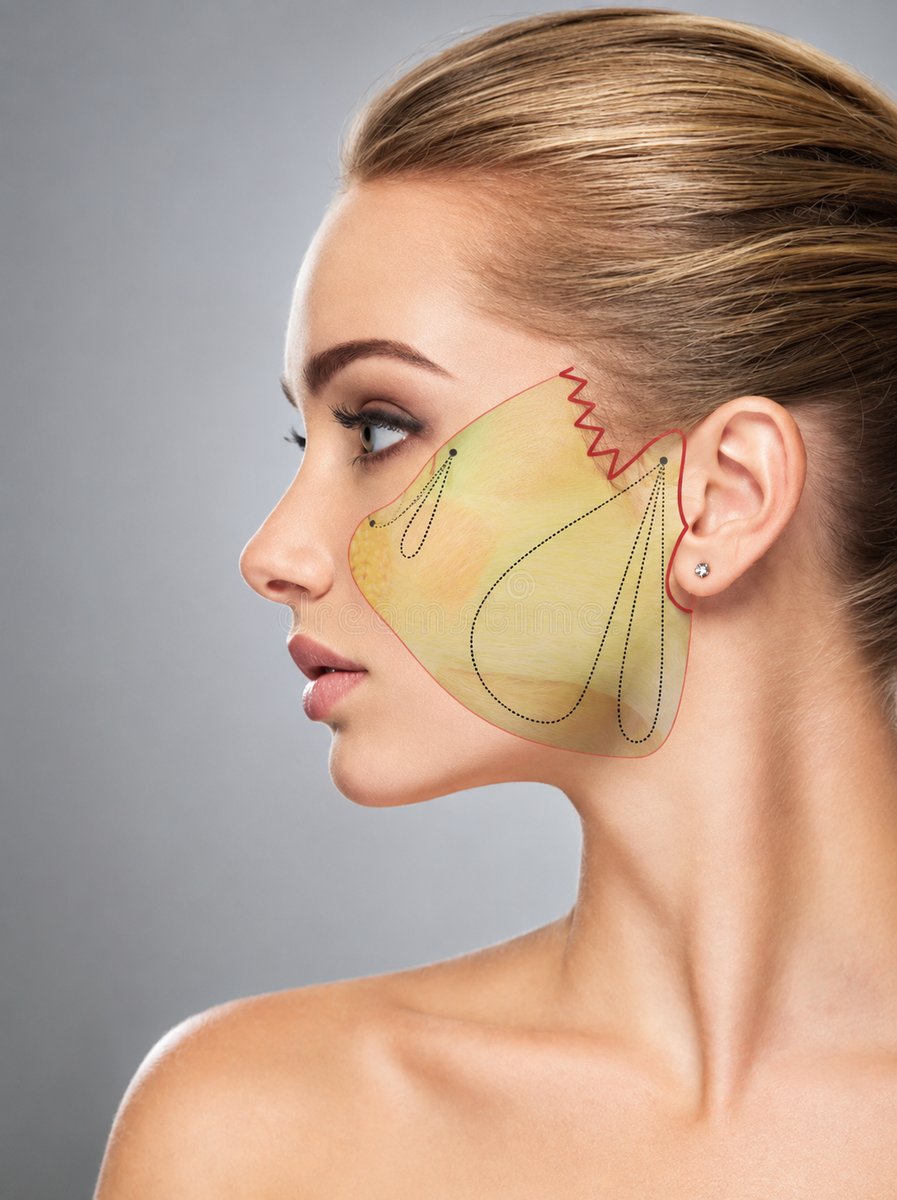
For patients in their early-to-mid 40s with the first visible signs of facial aging — mild jowling, early jawline laxity, slight neck changes — a mini facelift in New Jersey may be the ideal starting point. The mini facelift uses a shorter incision limited to the area around the ear, with no extension into the scalp or behind the ear. It is sometimes called a short scar facelift, an S-lift, or a weekend facelift because of the faster recovery of 1–2 weeks compared to a full facelift.
When weighing mini facelift vs. full facelift, the honest answer is: the mini is appropriate for limited laxity at an earlier stage of aging, but it cannot address significant neck descent, deep jowling, or midface volume loss the way a full deep plane procedure can. Dr. Rafizadeh will give you a direct assessment of which approach will actually achieve your goals — he will not recommend a mini facelift if a more comprehensive procedure is what your anatomy requires. For those asking about mini facelift cost in NJ, pricing is personalized and discussed during your consultation based on your specific plan. Learn more about the mini facelift →
Most facelift patients here are in their 50s, 60s, and 70s, and their goal is nearly always the same: to look refreshed, not different. For an honest, decade-by-decade discussion of candidacy, technique, and how results age over 10–15 years, see the dedicated guide to a natural facelift over 50 → Patients unhappy with a facelift performed elsewhere can start with a second-opinion consultation.
“I don’t have a favorite technique — I have a favorite result. The technique I choose is whichever one gives your specific anatomy the most natural, lasting outcome.”
— Dr. Farhad Rafizadeh, MD FACS
Who Is a Good Candidate?
The ideal facelift candidate is in good general health, a non-smoker or willing to stop smoking prior to surgery, and has realistic expectations. Most patients are between 45 and 70, though Dr. Rafizadeh evaluates each patient individually — the right approach for a younger patient seeking natural results differs from what an older patient’s facelift requires. Concerns commonly addressed include:
- Sagging skin in the cheeks and midface
- Deep creases along the nose and mouth (nasolabial folds)
- Jowls along the jawline
- Loose skin and excess fat in the neck
- Loss of definition between the face and neck
What to Expect
Consultation: Dr. Rafizadeh meets personally with every patient and never delegates consultations. He will assess your facial anatomy, discuss your goals, and explain exactly which technique is most appropriate for you.
Surgery: A facelift typically takes 3–5 hours. Many procedures are performed comfortably under local anesthesia with IV sedation — an “awake” facelift — while more extensive or combined operations may call for general anesthesia. Incisions are carefully placed along the hairline and behind the ears so scarring is minimal and hidden.
Recovery: Most patients return to normal social activity within 2–3 weeks. Swelling and bruising are normal and gradually subside. Final results are typically visible at 3–6 months.
Results: A deep plane facelift by Dr. Rafizadeh can take 10–15 years off your appearance, with results that typically last 7–12 years or more.
→ What Does a Facelift Cost in NJ?The factors that determine facelift pricing in New Jersey — and why surgeon experience matters more than the lowest quote. → Facelift Recovery, Week by WeekWhat to expect with swelling, bruising, and asymmetry — and when you’ll look social again.Facelift with Neck Lift
For most patients, the neck ages alongside the lower face — and treating one without the other rarely produces a harmonious result. That is why Dr. Rafizadeh so often pairs a facelift with a neck lift in the same surgical session. A modern face and neck lift in New Jersey addresses the jowls, jawline, and neck as a single anatomical unit, restoring a clean, defined transition from chin to neck rather than simply tightening the cheeks.
The neck has its own structural layer — the platysma, a thin sheet of muscle that, with age, separates into visible vertical bands and contributes to the loss of a sharp jawline. The corrective step, called a platysmaplasty, tightens and re-approximates these muscle edges through a small incision hidden beneath the chin. When excess fat is present above or below the platysma, it is conservatively contoured at the same time; when skin laxity is the primary concern, the deep plane release that lifts the face also redrapes the upper neck. The result is improvement in the “turkey neck” appearance, submental fullness (a “double chin” that is not weight-related), and the loss of the cervicomental angle — the crisp 90-degree line between the jaw and neck that reads as youthful.
→ Do I Need a Neck Lift With My Facelift?Dr. Rafizadeh explains when the jowls and neck should be treated together — and when a standalone neck lift is enough.Because the deep plane technique repositions the deeper tissue composite rather than pulling skin, the neck result tends to look natural and hold up well over time, with longevity comparable to the facelift itself. Incisions for the neck portion are placed in the same inconspicuous locations — along the hairline, around the ear, and a short hidden line under the chin — so the combined procedure does not add visible scarring. Patients considering a neck lift in New Jersey as a standalone procedure are evaluated honestly: an isolated neck lift suits some anatomies, but when the jowls and lower face have also descended, addressing them together produces a more balanced, lasting outcome. In select patients whose jawline stays soft even after the muscle and fat are addressed, enlarged submandibular salivary glands sitting below the jaw can be the limiting factor — a more advanced maneuver Dr. Rafizadeh weighs carefully against its risks; see submandibular gland reduction for a sharper jawline. Dr. Rafizadeh will tell you directly which approach your anatomy actually calls for.
→ Pairing Eyes & Brow with Your LiftWhy upper-face procedures are commonly combined with a face and neck lift for balanced, whole-face rejuvenation. Surgical vs. Non-SurgicalNon-Surgical Facelift Alternatives
Many patients searching for a facelift in New Jersey begin by asking whether they can avoid surgery altogether. The market is full of treatments marketed as a “non-surgical facelift” — a liquid facelift built from dermal fillers, a thread lift using dissolvable barbed sutures, and energy-based skin-tightening devices such as Ultherapy (microfocused ultrasound) and radiofrequency platforms. These treatments have a real and valuable place, and Dr. Rafizadeh offers several of them. What matters is matching the right tool to the actual problem.
The honest distinction is this: non-surgical treatments work on the surface and on volume, while a facelift works on structure. A liquid facelift can soften a hollow temple, restore a flat cheek, or blunt a deep fold — but it cannot remove excess skin or reposition descended tissue, and over-filling to chase laxity produces the heavy, distorted look most patients are trying to avoid. A thread lift can give a subtle, temporary lift to early jowling, but the effect is modest and typically lasts a year or less. Energy devices can improve skin quality incrementally, yet they do not lift jowls or correct a loose neck. When laxity is genuine — hanging skin, a blunted jawline, a heavy neck — only surgery repositions the underlying anatomy, and the result lasts years rather than months.
Dr. Rafizadeh’s approach is to recommend the least invasive option that will actually achieve your goal — and to be candid when a non-surgical route will not. For a patient in their late 30s or early 40s, a combination of dermal fillers, BOTOX® or Dysport, and medical-grade skin care may be the right plan for several years. For a patient with established laxity, those same treatments are best used to complement a surgical facelift rather than postpone it. The goal, as always, is a natural result — not the avoidance of surgery for its own sake. For a closer look at when jowls and marionette lines call for surgery versus injectables, see facelift vs. fillers for jowls and marionette lines.
→ Non-Surgical Options at the PracticeDermal fillers, neuromodulators, and medical skin care — how injectables and surface treatments fit alongside, or before, a facelift.A growing reason patients seek facial rejuvenation is rapid weight loss from GLP-1 medications such as Ozempic, Wegovy, and Mounjaro. The dramatic fat loss that improves the body often deflates and ages the face — the so-called “Ozempic face” — leaving hollow cheeks and sunken temples, loose skin, and a tired, gaunt appearance. Depending on the degree of volume loss and skin laxity, the right answer may be fat grafting and fillers, a facelift, or a combination. When volume loss is the primary issue, fat transfer performed in the same session as a facelift can re-inflate the cheeks and midface for a more rested result — a closer look at why volume restoration is half the battle in a facelift.
→ Ozempic Face & Volume Loss After Weight LossHow Dr. Rafizadeh restores facial volume and corrects the loose, hollow look that follows rapid GLP-1 weight loss in New Jersey. Facelift for MenFacelift Surgery for Men
A growing share of the men who come to Dr. Rafizadeh for a facelift in New Jersey are professionals who feel that a tired, heavy lower face no longer matches how energetic they feel or how they want to be perceived at work. The goals are usually the same as for any patient — a firmer jawline, a cleaner neck, fewer jowls — but the surgical considerations for men are genuinely different, and an experienced surgeon plans for them rather than applying a one-size-fits-all approach.
The most important difference is the beard-bearing skin. In men, hair follicles extend in front of and behind the ear, so incisions must be positioned to avoid pulling hair-bearing skin into the ear or onto a previously smooth area. Dr. Rafizadeh tailors incision placement and tension to preserve a natural sideburn and a clean shaving border. Men’s skin is also thicker and more vascular, which means meticulous control of bleeding during surgery and, often, a slightly longer initial recovery from bruising — both of which the deep plane technique is well suited to, because it relies on repositioning deep tissue rather than skin tension.
Just as important is the aesthetic target. A male facelift should never feminize the face. The aim is a strong, square jawline and a defined neck — not an over-tightened or “done” look that reads as cosmetic surgery. Dr. Rafizadeh’s priority for his male patients is a result that looks like a well-rested, fitter version of themselves: colleagues notice that they look sharper, not that they had an operation. Many male patients combine the facelift with eyelid surgery to address a heavy, fatigued brow and lid, which together account for much of the “tired” impression men want to correct.
→ Facelift for Men — In DepthBeard-line incision planning, hairline and baldness considerations, the recovery and shaving timeline, and why a male facelift should sharpen the jaw rather than soften it.Facelift in New Jersey & New York
Dr. Rafizadeh has performed facelift surgery in Morristown, NJ since 1984 — more than four decades serving patients across Morris County and the broader northern New Jersey region. His practice is located at 101 Madison Ave, Suite 105, Morristown, NJ 07960, within minutes of the Morristown Medical Center where many procedures are performed.
Patients seeking a facelift in New Jersey travel to his practice from across the state. The communities he regularly serves include Morristown, Short Hills, Summit, Chatham, Madison, Millburn, Livingston, Bedminster, Basking Ridge, Westfield, Bernardsville, and many others throughout Morris, Essex, Somerset, and Union counties.
A large share of his patients also travel from New York City. Dr. Rafizadeh regularly performs facelifts for patients from Manhattan, Brooklyn, Queens, and across the NYC metro area, as well as Hoboken and Jersey City. For anyone weighing a facelift in New York vs. New Jersey, the Morristown office is roughly 40–45 minutes from Midtown Manhattan by car and is directly served by NJ Transit’s Midtown Direct train, which runs from New York Penn Station to Morristown station. Many New York patients choose Dr. Rafizadeh for the combination of deep plane expertise, a private surgical setting, and far easier parking and logistics than Manhattan — without sacrificing access to a board-certified surgeon. Out-of-state and out-of-town patients are welcome, and the practice runs a dedicated out-of-town patient program that coordinates scheduling, virtual consultations, and follow-up to make the trip as straightforward as possible.
For patients comparing plastic surgeons in New Jersey for facelift surgery, the most important factors are board certification, relevant experience, and the quality and consistency of before-and-after results. Dr. Rafizadeh is board certified by the American Board of Plastic Surgery, a Fellow of the American College of Surgeons (FACS), a Castle Connolly Top Doctor, and has been recognized as a top plastic surgeon in New Jersey by NJ Monthly magazine. His 40+ years of continuous practice in Morristown reflect a level of experience and consistency that is difficult to find elsewhere in the region.
A facelift is often most effective when combined with complementary facial procedures performed in the same surgical session. Common pairings include eyelid surgery, brow lift, fat grafting, and lip lift. During your consultation, Dr. Rafizadeh will discuss whether combining procedures makes sense for your goals and anatomy.